



What Is a Pilates Reformer and How Does It Work?
A Pilates reformer is a machine most people see in a studio long before they understand it. It's a padded platform on wheels, with springs at one end, a bar for your feet and a set of straps hanging above. The platform slides. This guide covers the parts, the springs, mat vs. reformer and what to check before buying. SKBiz put it together for beginners who don't want to read a textbook.
What is a Pilates reformer?
Its proper name is the universal reformer. The frame is about 8 feet long and 2 feet wide, give or take, and the platform on top is called the carriage. Springs link the carriage to one end of the frame. When you push or pull, the carriage glides along and the springs resist. Joseph Pilates came up with the design after working with patients who couldn't move much, and the story goes that he rigged springs to hospital beds. So a Pilates reformer machine can support you through a move or make it harder, depending on the spring.
Parts of a Pilates reformer machine
How does a Pilates reformer work?
Say you're lying on your back with your feet on the footbar. You straighten your legs, the carriage slides away and the springs stretch. The part that catches new people is the way back. If you just let go, the carriage slams home and you've skipped half the exercise. The springs keep pulling as they shorten, so you're supposed to resist the whole return, slowly. Instructors call this first move footwork, and it opens nearly every reformer class.
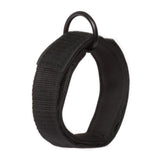
Springs decide how hard it feels. Most machines carry four or five, each with its own strength, and you hook on more or fewer. Heavy springs usually go with leg work since legs are strong, and light ones with arms and core, where control counts more than power. Brands color them differently, so ask what each color means. Add straps and pulleys, which change the direction of the pull, and you get other Pilates reformer exercises, like leg circles, that work the hips, shoulders and back on the same machine.
Reformer Pilates benefits
- It's low impact, so your knees don't get pounded the way they do when you run
- With regular classes your core and balance tend to improve
- You can swap springs, so a nervous beginner and a regular gym person can use the same machine
Pilates mat vs reformer
People argue about Pilates mat vs reformer online like it's a football match. It isn't. On a mat you lift and hold your own body weight, with gravity as the only resistance. On a reformer the springs push back, and sometimes they take some of the load off when a move is too hard.
A reformer gives more moves, and a mat gives a lower bill and a smaller footprint. Choose whichever you will really use.
Beginner reformer Pilates: how to start
Beginner reformer Pilates looks more intimidating than it is. A few tips:
- Take your first class with a certified instructor and skip the YouTube video for now
- One or two sessions a week for the first 4 to 6 weeks is enough
- Light springs, slow moves
- Wear grip socks, and tuck your dupatta, loose strings and hair away so nothing snags in the springs
- Pain means stop
- If you're pregnant, injured or coming back after a long break, ask your doctor before booking
At home Pilates reformer: is it worth it?
An at home Pilates reformer is tempting. But think about the room first. At roughly 8 feet by 2 feet it takes more floor than most people expect. Marble and tile floors are common in Pakistani homes and they're slippery, so slide a rubber mat under the frame. Be honest about how often you'll use it too, because home gym equipment has a way of turning into a clothes rack. Try a handful of studio classes first.
Best Pilates reformer: what to check before you buy
There isn't one best Pilates reformer for everyone. It depends on your room and budget. Before you buy Pilates reformer equipment, run through this list:
- Push the carriage by hand. It should glide quietly, with no grinding or sticking
- Look at the springs: how many, and can you swap them easily?
- Press down on the frame. A wobble now becomes a bigger problem later
- Check that the footbar and headrest adjust, since people come in different heights
- Ask what the warranty covers and who repairs a broken part
- Measure the room before you measure the machine
If you're equipping a studio and want to buy reformer Pilates machine units in bulk, ask about weight limits and bulk pricing. Prices change with the model and import costs, so ask for today's price in Pakistan.
FAQs about the Pilates reformer
1. What is a Pilates reformer used for?
A Pilates reformer is used for spring based, low impact exercise that works the core, legs, arms and back.
2. How does a Pilates reformer machine work?
A Pilates reformer machine works by making you push or pull a sliding carriage against springs, then slow it down on the way back.
3. Is beginner reformer Pilates hard?
Beginner reformer Pilates is not hard if you start with light springs, though the first class can feel a bit awkward.
4. Pilates mat vs reformer: which one should I choose?
For Pilates mat vs reformer, the mat is cheaper and simpler, while the reformer gives more exercises and adjustable resistance.
5. Can I use an at home Pilates reformer without an instructor?
An at home Pilates reformer can be used without an instructor once a few guided classes have taught you the basic moves.
6. How do I buy a reformer Pilates machine?
To buy a reformer Pilates machine, test the glide, check the springs, frame and warranty, and measure your room; SKBiz can help you with models.
7. What is the best Pilates reformer for beginners?
The best Pilates reformer for beginners glides smoothly, comes with a few spring options and feels solid when you press the frame.
8. How often should I do reformer Pilates?
Reformer Pilates once or twice a week is plenty when you're starting out.
Conclusion
A reformer is just springs, a sliding carriage and you trying to stay in control of both. Start with a few classes and light springs, and give yourself time, since the change comes from showing up regularly more than from any one hard session. Ask your instructor anything that confuses you, because they get the same questions all the time. When you're ready to buy for home or a studio, check the glide, springs, frame and warranty first. SKBiz can help you choose the right machine. Call 0324-7733440 or email skbizcorp@gmail.com to ask about models and prices before you commit.
